Aging or ageing is a spelling question that often confuses writers, students, and professionals. Both versions appear in books, websites, and articles. Because of this, many people wonder whether one spelling is wrong or if both are acceptable.
The answer depends mainly on the type of English you use. American English prefers one version, while British English often uses another. Although the meanings remain the same, choosing the correct spelling helps your writing look polished and consistent.
Whether you are writing a school paper, blog post, business report, or social media content, understanding the difference matters. This guide explains the spelling rules, usage differences, examples, and common mistakes. By the end, you will know exactly when to use each version with confidence.
Quick Summary Box
- Both aging and ageing are correct spellings.
- The meaning stays the same in both forms.
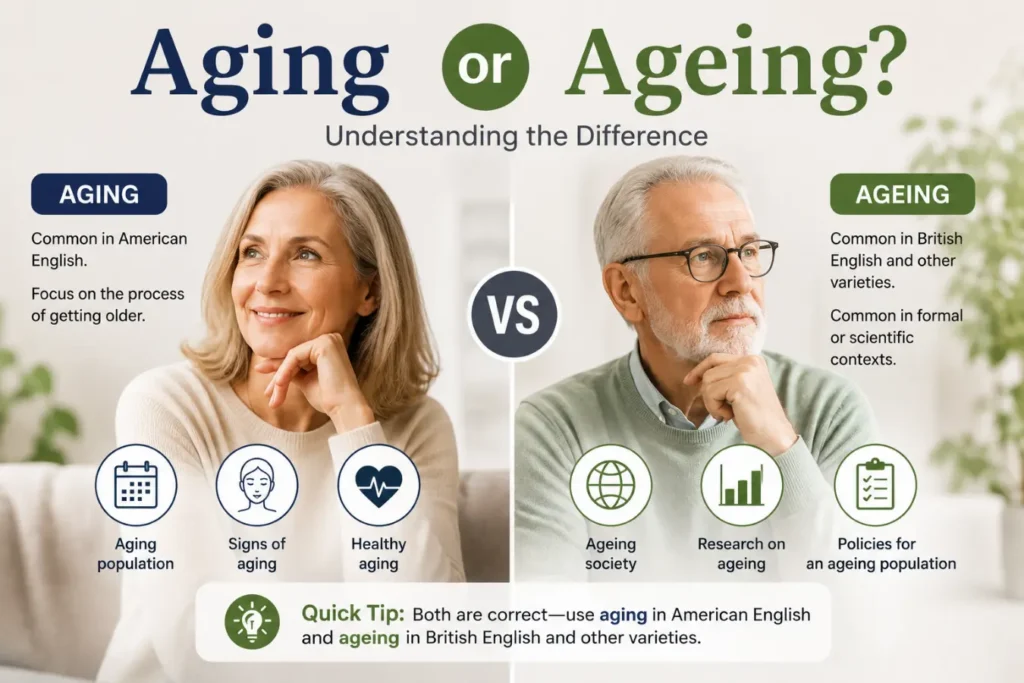
- American English usually uses aging.
- British English often prefers ageing.
- The words describe growing older over time.
- Consistency matters more than choosing one version.
- Follow your audience’s preferred spelling style.
Featured Snippet Answer
Aging or Ageing: Which One Is Correct?
Both aging and ageing are correct. The difference comes from regional spelling preferences. American English generally uses aging, while British English commonly uses ageing. Both words refer to the process of growing older and carry the same meaning.
Understanding the Meaning of Aging and Ageing
The terms describe the process of becoming older over time.
This process can apply to:
- People
- Animals
- Plants
- Buildings
- Food products
- Wine and cheese
Examples:
- The population is aging.
- Fine wine improves through ageing.
- Scientists study the aging process.
The core meaning remains identical regardless of spelling.
Why Two Spellings Exist
English has evolved differently in various regions.
Over time, spelling conventions developed unique patterns.
American English often favors simplified spellings.
British English frequently preserves traditional forms.
This difference explains many spelling variations, including:
| American English | British English |
| Aging | Ageing |
| Color | Colour |
| Flavor | Flavour |
| Traveling | Travelling |
Neither version is incorrect.
The preferred choice depends on your audience.
Aging vs Ageing Comparison Table
| Feature | Aging | Ageing |
| Meaning | Growing older | Growing older |
| American English | Preferred | Less Common |
| British English | Accepted | Preferred |
| Academic Usage | Common in U.S. | Common in U.K. |
| Medical Writing | Often Aging | Varies by Region |
| Pronunciation | Same | Same |
This comparison highlights the regional distinction rather than a grammatical difference.
Which Spelling Does American English Prefer?
In the United States, aging dominates most publications.
You will commonly see it in:
- Newspapers
- Medical journals
- Government reports
- Business documents
- Educational materials
Examples:
- Aging population
- Healthy aging
- Aging process
- Aging research
If your audience is primarily American, this spelling usually works best.
Which Version Is More Common in British English?
Writers in the United Kingdom often choose ageing.
You may encounter it in:
- British newspapers
- Academic publications
- Health articles
- Government resources
Examples:
- Ageing society
- Ageing workforce
- Healthy ageing strategies
British readers generally recognize both forms, but ageing often feels more familiar.
Real-Life Examples of Correct Usage

Understanding context makes the rule easier to remember.
Health and Wellness
Healthy aging requires good nutrition and exercise.
Healthy ageing involves physical and mental well-being.
Business
Companies prepare for an aging workforce.
Organizations adapt to an ageing population.
Science
Researchers study aging patterns.
Scientists examine the effects of ageing.
The meaning remains unchanged in every example.
How the Terms Appear in Different Industries
The words appear in many professional fields.
Healthcare
Doctors discuss healthy aging habits.
Demographics
Governments track aging populations.
Beauty and Skincare
Brands market anti-aging products.
Food Production
Experts discuss ageing techniques for cheese and wine.
Each industry uses the same concept but may follow regional spelling preferences.
Common Mistakes Writers Make
Many people misunderstand the difference.
Mistake #1: Thinking One Is Wrong
Both spellings are acceptable.
Mistake #2: Mixing Styles
Avoid switching between aging and ageing in the same article.
Mistake #3: Ignoring Audience Expectations
Readers may expect regional consistency.
Mistake #4: Overcorrecting Content
Changing every occurrence without considering audience location can create confusion.
Consistency should always remain the goal.
Tips for Choosing the Right Spelling
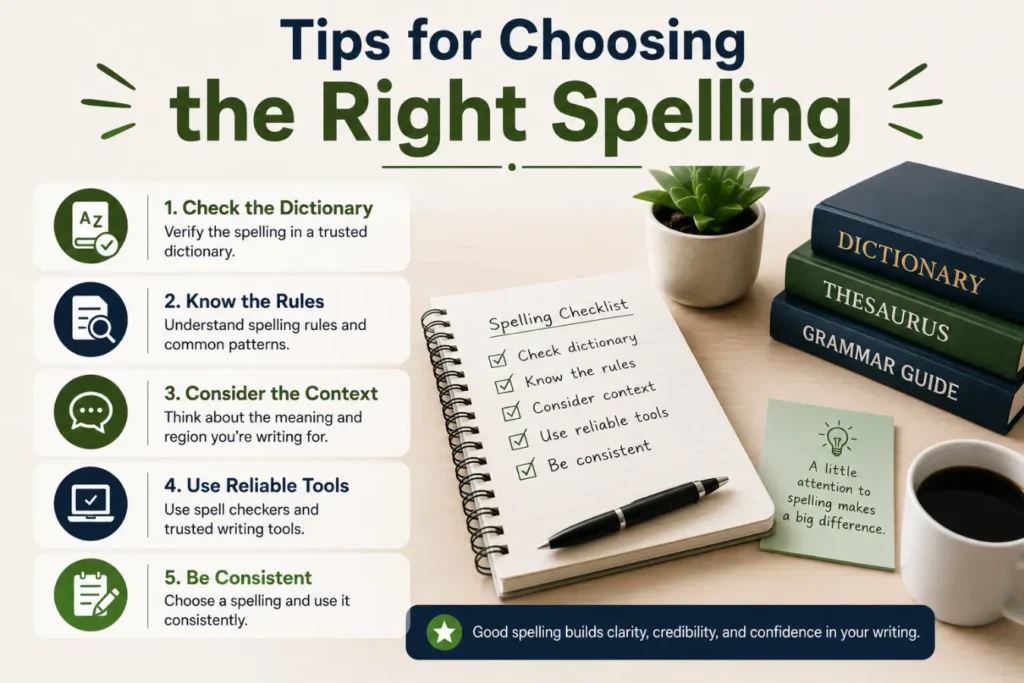
Use these simple guidelines.
Know Your Audience
American readers often expect aging.
British readers often expect ageing.
Follow Style Guides
Many organizations have preferred spelling standards.
Stay Consistent
Choose one version and use it throughout your content.
Check Publication Requirements
Some websites specify regional language preferences.
These steps improve professionalism and readability.
Aging and Ageing in Everyday Language
Most people encounter these words regularly.
Common phrases include:
- Aging parents
- Aging infrastructure
- Aging process
- Healthy aging
- Ageing population
- Ageing society
- Graceful ageing
- Successful ageing
The terms appear in conversations, news stories, and educational materials.
Related Terms and Language Variations
Many connected phrases appear in search results.
Popular related keywords include:
- growing older
- healthy aging
- ageing process
- senior health
- population aging
- anti-aging products
- graceful ageing
- longevity
- age-related changes
- older adults
These semantic terms help readers understand the broader topic.
Synonyms for Aging and Ageing
Depending on context, alternative expressions may work.
Common synonyms include:
- Growing older
- Maturing
- Developing over time
- Advancing in years
- Ripening
- Progressing through life
- Becoming older
- Senior development
- Life-stage progression
- Maturation process
Writers can use these alternatives to add variety.
Expert Insight: Why Consistent Spelling Matters
Professional editors focus heavily on consistency.
Readers may not notice the spelling difference itself.
However, they often notice inconsistency.
For example, switching between aging and ageing within one article can appear careless.
Search engines also favor content that demonstrates quality and attention to detail.
Therefore, selecting one style and using it throughout your content improves credibility and user experience.
Frequently Asked Questions
Is aging or ageing correct?
Both are correct. The preferred choice depends on regional English.
Which spelling is used in America?
American English typically uses aging.
Which spelling is common in the UK?
British English often prefers ageing.
Do aging and ageing have different meanings?
No. Both words mean the process of growing older.
Which spelling should bloggers use?
Use the version that matches your target audience.
Is aging used in medical writing?
Yes. Many American medical publications use aging.
Can I use both spellings in one article?
It is better to choose one style and remain consistent.
What is healthy aging?
Healthy aging refers to maintaining physical and mental well-being as people grow older.
Why This Spelling Difference Matters
At first glance, the distinction seems minor.
However, matching your audience’s language preferences improves communication.
Readers often trust content that feels familiar and natural.
Additionally, consistent spelling strengthens professionalism.
Whether you write blog posts, research papers, marketing content, or business documents, paying attention to regional language conventions creates a better reading experience.
Conclusion
When comparing aging or ageing, the key takeaway is simple. Both spellings are correct, and both describe the process of growing older. The difference comes from regional language preferences rather than meaning. American English usually favors aging, while British English commonly uses ageing.
For writers, the most important rule is consistency. Select the version that fits your audience and use it throughout your content. This approach improves readability and creates a professional appearance. Whether you discuss health, demographics, science, or everyday life, understanding this spelling variation helps you communicate more effectively. In the end, choosing the right version is less about correctness and more about matching the expectations of your readers.