
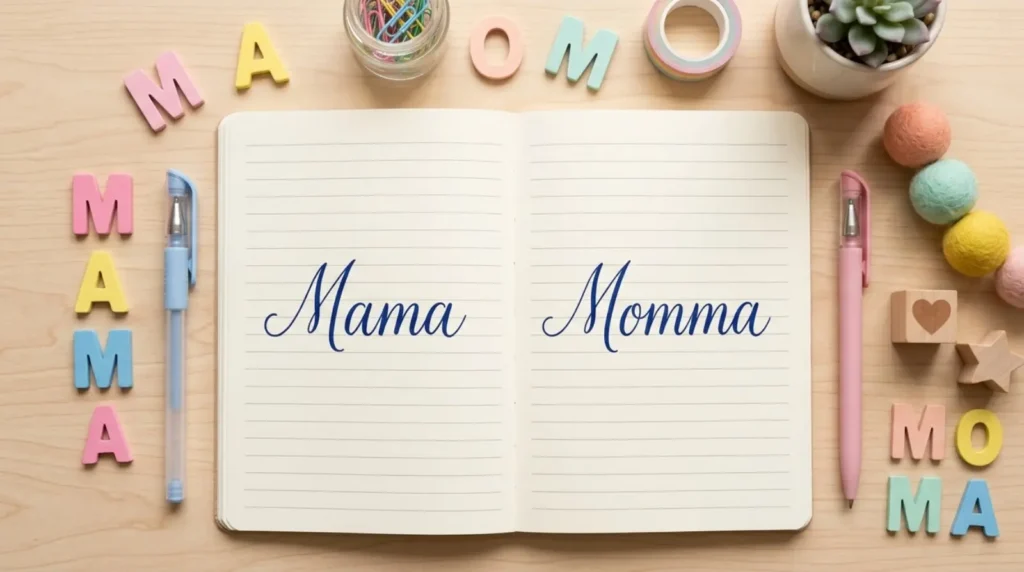
Momma or mama is a common question many people ask when writing, texting, or speaking. Both words refer to a mother. However, they have slightly different uses and styles.
Some people use “mama” every day. Others prefer “momma.” Both are correct in many situations. Yet choosing the right one can help your writing sound more natural.
Language changes across regions, families, and cultures. That is why you may hear both terms often.
In this guide, you will learn the meaning of momma and mama, their differences, examples, common mistakes, and when to use each one. By the end, you will know exactly which word fits your situation best.
Quick Summary Box
Momma or Mama at a Glance
- Both words mean “mother.”
- “Mama” is the older and more widely used form.
- “Momma” is a spelling variation common in parts of the United States.
- Neither word is wrong in casual communication.
- “Mama” appears more often in dictionaries and formal writing.
- “Momma” often sounds warmer and more regional.
- Choice depends on audience, style, and personal preference.
What Does Momma or Mama Mean?
Both momma and mama are affectionate names for a mother.
Children often say these words before they learn the word “mother.” The sounds are easy for babies to pronounce. Over time, many families continue using them throughout life.
Simple Definition
Mama: An informal and loving word for mother.
Momma: A spelling variation of mama, often used to show warmth, personality, or regional speech.
Why Do People Use Momma or Mama?
People use these words because they feel personal and loving.
Unlike the formal word “mother,” these terms create emotional connection.
Examples
- I called my mama after work.
- My momma always makes the best cookies.
- Mama taught me how to ride a bike.
- Momma gave me great advice.
Both examples sound natural and friendly.
Momma vs Mama: Key Differences
The biggest difference is spelling and style.
| Feature | Mama | Momma |
| Meaning | Mother | Mother |
| Dictionary Recognition | More common | Less common |
| Formal Acceptance | Higher | Lower |
| Regional Usage | Worldwide | Common in Southern U.S. |
| Tone | Warm and universal | Warm and regional |
| Common in Literature | Yes | Sometimes |
Quick Answer
If you are unsure, choose mama. It is more universally recognized.
Is Momma or Mama Grammatically Correct?
Yes. Both words are grammatically correct.
However, context matters.
Formal Writing
Use:
- Mother
- Mama (if appropriate)
Informal Writing
Use:
- Mama
- Momma
For example:
Formal: My mother inspired me.
Informal: My mama inspired me.
Casual Conversation: My momma inspired me.
Which Word Is More Popular?
Today, mama is generally more popular worldwide.
It appears frequently in:
- Books
- Songs
- Parenting content
- Social media
- Dictionaries
“Momma” remains popular in certain regions and cultural communities.
Many people use it to express closeness and family traditions.
Real-Life Examples of Momma and Mama
Example 1: Family Conversation
“Thanks, Mama, for helping me.”
This sounds natural and affectionate.
Example 2: Southern American Speech
“My momma taught me respect.”
This reflects common regional speech patterns.
Example 3: Social Media Caption
“Love you, Mama.”
Short, sweet, and widely understood.
Example 4: Country Music Lyrics
“Momma always knew best.”
Many songwriters use “momma” for emotional impact.
When Should You Use Mama?
Use mama when:
- Writing for a broad audience
- Creating blog content
- Writing books
- Posting professional family content
- Speaking with people from different regions
Examples
- Mama knows best.
- My mama encouraged me every day.
- I learned kindness from my mama.
When Should You Use Momma?
Use momma when:
- Reflecting regional speech
- Quoting someone
- Writing dialogue
- Sharing family traditions
- Creating a warm, personal tone
Examples
- My momma makes amazing pie.
- Momma always said to work hard.
- I miss my momma every day.
Common Mistakes People Make
Many writers confuse usage because both words sound similar.
Mistake 1: Thinking One Is Wrong
Both words are correct.
Mistake 2: Mixing Styles
Choose one spelling and stay consistent.
Mistake 3: Using Informal Terms in Formal Documents
Use “mother” in academic or business writing.
Mistake 4: Assuming Regional Usage Is Universal
Some readers may be more familiar with “mama.”
Tips for Choosing Between Momma or Mama
Know Your Audience
Broad audience? Use “mama.”
Regional audience? “Momma” may feel more authentic.
Stay Consistent
Use one spelling throughout your content.
Match the Tone
Formal tone: Mother
Friendly tone: Mama
Regional tone: Momma
Consider Search Intent
Online searches often favor “mama” because it has wider usage.
Synonyms and Related Terms
These related words can help diversify your writing.
Common Synonyms
- Mother
- Mom
- Mommy
- Mum
- Mummy
- Ma
- Mommy Dearest
- Parent
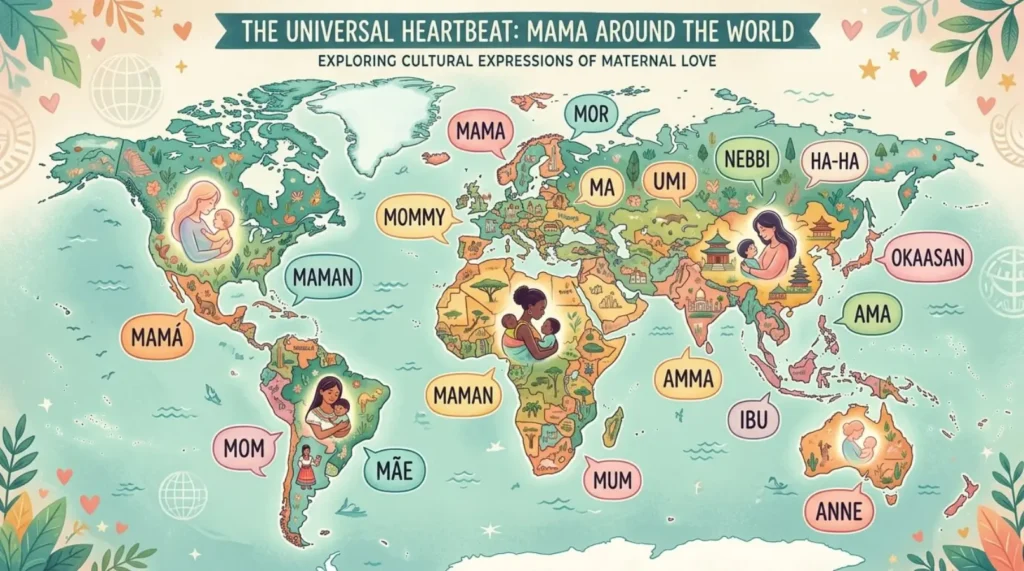
How Momma and Mama Are Used in Different Cultures
Many cultures use sounds similar to “mama.”
Linguists believe this happens because babies naturally make these sounds.
Examples include:
- Mama (English)
- Mama (Spanish)
- Mama (Italian)
- Mama (German)
- Mama (Russian)
This widespread use makes “mama” one of the most recognized family words in the world.
Why the Choice Matters in Writing
Word choice shapes emotion.
“Mama” often feels universal and timeless.
“Momma” often feels personal and rooted in tradition.
Readers connect with these emotional cues.
That is why authors, bloggers, and marketers carefully choose between the two.
Expert Insights: Choosing the Best Option
Language experts often recommend using mama for general audiences.
Here is why:
- More recognizable globally
- Common in dictionaries
- Easier for international readers
- Frequently searched online
However, “momma” adds authenticity when representing regional voices.
The best choice depends on your audience and purpose.
Strong writing always matches reader expectations.
Frequently Asked Questions
Is momma or mama correct?
Both are correct. They are informal words for mother.
What is the difference between momma and mama?
The main difference is spelling and regional preference.
Which spelling is more common?
Mama is generally more common worldwide.
Is momma a Southern word?
Momma is often associated with Southern American speech.
Can I use momma in professional writing?
It is usually better to use mother or mama, depending on context.
Why do babies say mama first?
The sounds are easy for babies to pronounce.
Is mama found in dictionaries?
Yes. Most major dictionaries include mama.
Should I use mama or momma in a blog post?
For a broad audience, mama is often the safer choice.
Featured Snippet Answer
Momma or Mama: Which One Should You Use?
Both momma and mama mean mother. Mama is the more widely accepted spelling and appears more often in dictionaries. Momma is a regional variation that adds warmth and personality. For general audiences, use mama. For personal or regional writing, momma works well.
Conclusion
The debate over momma or mama comes down to style, audience, and personal preference. Both words express love and connection. Neither choice is wrong.
If you want a spelling that works almost everywhere, choose mama. It is widely recognized and easy to understand. If you want a warmer, more regional feel, momma may be the better option.
The most important thing is consistency. Pick the version that matches your voice and audience. When used correctly, both words communicate affection, family, and respect for the special role of a mother.